
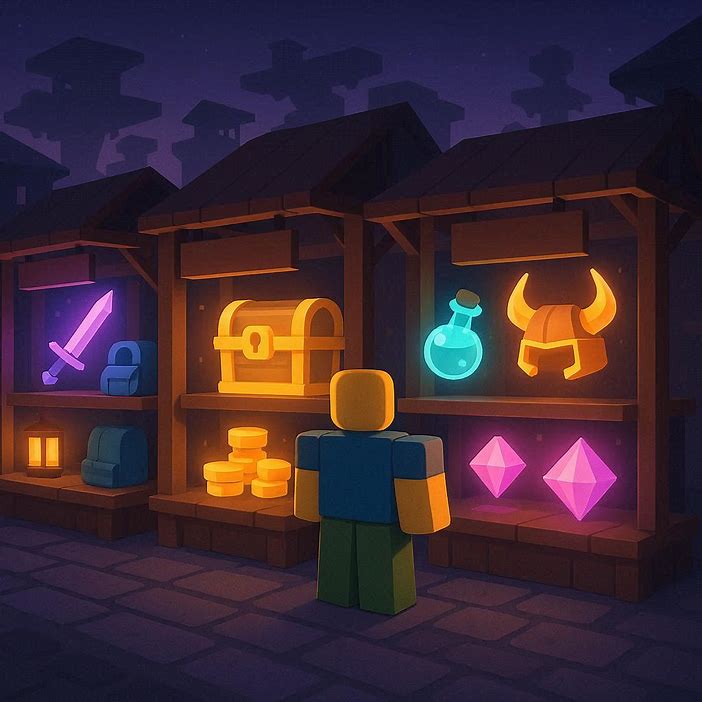
Roblox reported over 70 million daily active users in 2024, according to Roblox Corporation investor materials, reflecting the scale of its virtual ecosystem. Within this environment, digital items are traded and assigned value by users, contributing to a broader in-game economy. Alongside official systems, external services have developed that interact with this economy in various ways.
Some of these external platforms, sometimes referred to in online discussions as robux gambling sites, operate outside the official Roblox infrastructure. They are often mentioned in community forums due to their connection with item trading and wagering-like mechanics. Their continued presence has led to ongoing discussion about how they function alongside the main Roblox ecosystem.
User Engagement and Platform Design
A key factor in understanding why users interact with these platforms is the role of digital item value within certain Roblox communities. In games such as Murder Mystery 2, items like skins or collectibles are assigned value through rarity and trading demand. These items may hold significance for players beyond cosmetic use, particularly within trading-focused communities.
External platforms in this space typically include features such as chance-based games, item case openings, or jackpot-style systems. Participation usually involves connecting a user account or transferring virtual items. The speed and simplicity of these interactions are often cited as part of their appeal.
Research on digital media engagement, including studies from organizations such as Common Sense Media, has noted that interactive systems with immediate feedback and visual reinforcement can influence user engagement patterns, particularly among younger audiences. However, experiences vary widely depending on user behavior and intent.
These systems are often compared to chance-based mechanics found in other gaming or entertainment contexts. Some users view them as a form of entertainment layered on top of existing trading systems, while others approach them as high-risk activities involving virtual assets.
Regulatory and Safety Considerations
Unlike official in-platform trading systems, these external services generally operate without formal oversight from Roblox. This creates differences in terms of verification, fairness standards, and user protection mechanisms.
Regulatory bodies such as the UK Gambling Commission have previously discussed “skin betting” and similar systems in gaming environments, noting that unregulated digital item wagering may present risks related to fairness and consumer protection. These observations are often referenced in broader discussions about virtual economies.
Age accessibility is another area of concern. Roblox includes a large number of users under the age of 18. While external platforms may include age restrictions, enforcement methods can vary. Reports from organizations such as UNICEF on digital safety highlight that age verification systems in online environments are not always fully effective.
There are also financial considerations related to virtual item value. Although items exist within a digital environment, some may have perceived or secondary market value. As a result, losses of rare items may carry significance for users who actively participate in trading systems.
Community Participation and Demand Factors
Within certain gaming communities, particularly those centered around competitive trading in games like Murder Mystery 2, item exchange and valuation are already established parts of gameplay culture. In these environments, external platforms are sometimes discussed as extensions of existing trading behavior.
Online communities, including forums and messaging groups, often share discussions about probabilities, outcomes, and trading strategies. Research from the Pew Research Center has noted that online gaming communities increasingly combine social interaction with digital economies, reflecting broader trends in how virtual environments are used.
Some users view external wagering systems as an extension of control over their digital assets, while others prefer to remain within official platform boundaries. These differing perspectives contribute to ongoing debate about the role of third-party services in virtual economies. Discussions in this area also intersect with broader themes such as smart betting decisions in digital gambling ecosystems, particularly in how users evaluate risk, probability, and decision-making behavior in virtual environments.
Platform Independence and System Boundaries
Roblox’s terms of service restrict gambling-related activities and external monetization of in-game items. According to official safety and enforcement communications, actions may be taken against accounts that violate these rules.
Despite this, external systems continue to exist due to the difficulty of monitoring transactions once items leave the official platform. This creates a separation between regulated in-platform activity and external services that interact with traded assets.
Academic research on digital economies, including work referenced by institutions such as MIT Sloan School of Management, has noted that virtual economies can evolve rapidly, sometimes faster than governance frameworks designed to regulate them. This can lead to gaps in oversight between user behavior and platform policy.
In this context, external platforms exist in a space that is functionally separate from Roblox’s official ecosystem, even though they may rely on items originating from it.
Conclusion
External platforms connected to Roblox’s trading ecosystem illustrate how digital economies can develop systems beyond their original design. These services vary in structure and purpose, and user perspectives on them differ significantly.
Discussions around Robux gambling sites and similar platforms often focus on both engagement within gaming communities and concerns related to oversight and user protection. The presence of these systems reflects broader questions about how virtual assets are used and regulated.
As virtual economies continue to grow, the relationship between official platforms, user-driven markets, and third-party services remains an evolving area. Ongoing developments in policy, technology, and community behavior will likely continue to shape how these systems function over time.
